Stem Cell Joint & Pain Regeneration in Seoul, Korea
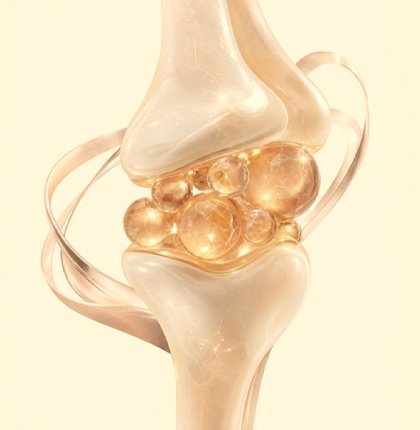
Stem cell joint and pain therapy injects autologous stem cells (SVF) and concentrated growth factors into painful joints such as the knee, shoulder or ankle, and surrounding soft tissue, to help calm chronic inflammation and support tissue recovery without surgery.
- Procedure time
- About 20–60 minutes
- Anesthesia
- Numbing cream or local anesthesia
- Time in Seoul
- Day visit — 1–3 days in Seoul
- Recovery
- Usually the same day
Who is Stem Cell Joint & Pain Regeneration for?
- Knee pain or stiffness on stairs
- You want a non-surgical option before considering joint replacement
- Chronic shoulder, elbow or ankle ligament pain
How Stem Cell Joint & Pain Regeneration works
Injected cells and growth factors may reduce inflammatory signaling within the joint and support the surrounding tissue. Responses vary, and results are best in mild to moderate degeneration.
The procedure uses injections rather than incisions, so older patients can usually have it without general anesthesia.
Regenerative medicine is an evolving field. We explain the current evidence for your specific goal and what the treatment cannot promise.
Our approach to Stem Cell Joint & Pain Regeneration
Anti-inflammatory aim
Intended to calm inflammation in the joint.
No incision
Performed by injection.
Own cells
Autologous cells only.
Stem Cell Joint & Pain Regeneration: step by step
- AssessmentImaging and examination of the joint.
- CollectionFat or blood is collected.
- ProcessingCells and growth factors are concentrated.
- InjectionInjected into the joint, often under ultrasound guidance.
Risks and side effects of Stem Cell Joint & Pain Regeneration
- Joint flareTemporary pain or swelling in the joint for a few days.
- Harvest-site discomfortWhere fat is harvested, bruising and tenderness last about 1–2 weeks.
- Variable responseRegenerative treatments do not work the same for everyone, and evidence differs by indication.
All medical procedures carry risks. Your surgeon will review your medical history, explain the risks that apply to you and discuss alternatives before you decide.
Stem Cell Joint & Pain Regeneration recovery timeline
| When | What to expect |
|---|---|
| Same day | Mild redness, swelling or tenderness at treated points. Most people return to normal activities, and gentle cleansing is fine. |
| Days 1–3 | Any small bumps, pinpoint bruises or redness usually settle. Avoid saunas, intense exercise and alcohol for a few days. |
| Weeks 2–4 | Collagen and tissue responses build gradually; follow-up or top-up sessions are planned around this point if needed. |
| Months 3–6 | Results are reviewed and a maintenance schedule is suggested based on how your skin or tissue responded. |
Aftercare tips
- Drink plenty of water and avoid alcohol for 2–3 days.
- Avoid saunas and strenuous exercise for 2–3 days after treatment.
- Tell the doctor about all medicines and supplements, especially blood thinners.
- After fat harvest, wear the compression garment as advised.
- Follow the planned schedule for repeat sessions if one is recommended.
Planning your trip to Seoul for Stem Cell Joint & Pain Regeneration
Most regenerative treatments are done as a day visit. Fat-derived stem cell procedures usually need about 3–5 days in Seoul.
Cellis Lab Clinic occupies its own seven-story building at 244 Hyoryeong-ro, Seocho-gu, Seoul — next to Gangnam and about an 8-minute walk from Nambu Bus Terminal Station (Line 3, Exit 5). Incheon International Airport is roughly 70–90 minutes away by airport limousine bus or taxi.
Before you book flights, send your photos and questions on WhatsApp. We will reply in English with an initial assessment, a provisional plan and a quote range, then confirm the plan at your in-person consultation.
What affects the cost of Stem Cell Joint & Pain Regeneration in Korea?
- Fat-derived (SVF) or blood-derived (PRP/PRF) source
- Treatment areas and volume
- Single session or program
- Combination with IV, oxygen or skin treatments
Prices are quoted individually after consultation and include the items listed in your written quote.
Stem Cell Joint & Pain Regeneration FAQ
Can stem cells regrow knee cartilage?
Evidence for cartilage regrowth is limited; the main goals are pain relief and function.
Who is not suitable?
Severe bone-on-bone arthritis usually responds poorly and may need surgery.
How soon can I walk?
Usually the same day, with reduced activity for a few days.
Where can I get Stem Cell Joint & Pain Regeneration in Seoul, Korea?
Cellis Lab Clinic in Seocho-gu, Seoul — next to Gangnam — performs Stem Cell Joint & Pain Regeneration. The clinic is an 8-minute walk from Nambu Bus Terminal Station (Line 3, Exit 5).
How much does Stem Cell Joint & Pain Regeneration cost in Korea?
The cost of Stem Cell Joint & Pain Regeneration depends on the technique, materials and extent of treatment. We provide a written quote after an online consultation with photos or an in-person examination.
How long should I stay in Korea for Stem Cell Joint & Pain Regeneration?
Most regenerative treatments are done as a day visit. Fat-derived stem cell procedures usually need about 3–5 days in Seoul. Your exact schedule is confirmed at consultation.
Can I have a consultation in English before travelling?
Yes. Send photos and your questions on WhatsApp in English. We reply with an initial opinion, a suggested plan and the dates you would need in Seoul.
About your surgeon
Dr. Yang Dong-Jun is a Korean board-certified plastic surgeon with 26 years of surgical experience and the developer of the SOFIT, SOFTXIL and VXIL techniques. He performs the consultation and the operation himself.
Related stem cell & regenerative medicine procedures
- Stem Cell Skin RegenerationYour own cells and growth factors in the dermis
- Stem Cell Facial Fat GraftingFat grafting enriched with your stem cells
- Stem Cell Hair Loss & Scalp TherapyScalp regeneration for thinning hair
- Autologous Stem Cell TherapyYour own cells, processed in our lab
- Adipose-Derived Stem Cell (SVF)Stromal vascular fraction from your fat
- Stem Cell IV InfusionWhole-body autologous cell infusion
- MCT Autologous Blood Exosome TherapyLight- and heat-activated blood growth factors
- Concentrated Stem Cell PRFSlow-release fibrin from your own blood
- NMN + Umbilical Cord Stem Cell TherapyNAD⁺ support with cord-derived conditioned media
- NK Cell ImmunotherapySix-week natural killer cell immune program
- Stem Cell Exosome RegenerationNano-vesicle signals for skin and scalp
- Hyperbaric Oxygen & Anti-Aging IV TherapyOxygen chamber and anti-aging IV drips
All stem cell & regenerative medicine procedures → · All procedures